

.jpg)
Low Hydrogen Electrodes: Storage, Baking, Re-Drying, and Best Practices
So what is a low-hydrogen electrode? You might have a lot of questions about this. Let us help you out! These are commonly used in SMAW when weld quality and crack resistance matter. Their coating is designed to keep moisture and hydrogen levels low during welding.
They are often used for structural steel, bridges, pressure vessels, heavy fabrication, and high-strength steels.
The key point is simple. These electrodes need to be handled properly. Poor storage can undo the benefits of low-hydrogen electrodes.
Why Are Low Hydrogen Electrodes Used in Welding?
Hydrogen can become a serious problem in certain welds. It can contribute to delayed cracking, especially when welding thick sections or high-strength steels.
That is why low-hydrogen welding electrodes are preferred for many critical applications. When the correct welding procedure is followed, they help reduce the risk of hydrogen-induced cracking.
For structural work, the electrode must also provide the required strength and toughness. This makes low-hydrogen electrodes a common choice for structural steel.
E7018 Low Hydrogen Electrodes: Applications and Benefits
E7018 is one of the most widely used low-hydrogen electrodes. The E7018 low-hydrogen electrode is known for its smooth arc and good weld appearance.
It can be used in different welding positions and is commonly found in structural steel fabrication.
Welders also choose the E7018 electrode when weld strength and crack resistance matter. However, keeping the electrode dry is just as important as choosing the right classification.
How to Store Low Hydrogen Electrodes Properly?
Moisture is the biggest thing you want to keep away from low hydrogen electrodes.
Recommended Storage Conditions
Keep unopened electrodes in their original packaging until you need them. Once opened, store them in suitable conditions to limit moisture pickup.
Good low hydrogen electrode storage usually involves:
-
Dry, controlled conditions
-
Airtight or properly sealed containers
-
Protection from humidity and condensation
-
Limited exposure to ambient air
Electrode Holding Ovens
Once you remove electrodes from their packaging, an electrode holding oven can help keep them dry.
This is especially important for E7018 electrodes used on critical jobs. Follow the manufacturer's instructions for holding temperature and exposure time.
How to Bake Low Hydrogen Electrodes
Sometimes electrodes need to be conditioned again before use. This is where low-hydrogen electrode baking, or re-drying, comes in.
E7018 Baking Temperature and Time
No single baking temperature applies to every electrode. The correct E7018 electrode baking temperature and duration depend on the product and manufacturer's instructions.
Always check the product data sheet before baking.
Baking, Re-baking and Re-drying
These terms are sometimes used interchangeably, but the exact procedure depends on the electrode and its condition.
If electrodes have picked up moisture, low-hydrogen electrode re-baking may be required. Do not simply increase the temperature or baking time. Excessive heat can damage the coating.
What Happens When Low Hydrogen Electrodes Absorb Moisture?
This is where storage becomes important.
Moisture in welding electrodes can increase the amount of hydrogen introduced into the weld. That can increase the risk of cracking in susceptible materials and joints.
If you notice damaged packaging or electrodes exposed for too long, don't assume they are still safe to use. Check the manufacturer's recommendations for welding electrode moisture control and reconditioning.
Common Storage and Baking Mistakes
A few mistakes come up regularly:
-
Leaving electrodes exposed to humid air
-
Opening more electrodes than needed
-
Using damaged packaging
-
Skipping the holding oven
-
Baking at the wrong temperature
-
Baking for too long
-
Reusing electrodes without checking their condition
-
Ignoring the manufacturer's instructions
Good welding electrode storage is usually easier than dealing with weld defects later.
Low Hydrogen Electrode Storage and Baking: Quick Reference
|
Parameter |
Recommended practice |
|
Electrode type |
Low hydrogen or E7018 |
|
Storage |
Dry and properly sealed |
|
Humidity |
Keep controlled |
|
Baking |
Follow manufacturer instructions |
|
Baking duration |
Product specific |
|
Holding |
Use a suitable holding oven |
|
Handling |
Keep atmospheric exposure low |
|
Reconditioning |
Follow product recommendations |
Low Hydrogen Electrodes for Structural and High Tensile Steel
Low hydrogen electrodes for high tensile steel are used where weld strength and crack resistance are important.
They are used in structural fabrication, bridge construction, pressure vessels, power generation, and heavy engineering.
Always select the exact electrode based on the base metal, joint design, welding position, required mechanical properties, and applicable welding procedure.
D&H Sécheron Low Hydrogen Welding Electrodes
D&H Sécheron, a trusted welding consumables manufacturer in India, offers a range of low hydrogen electrodes for demanding welding applications. Its range includes Cromotherme 1, Supratherme, and Ultratherme.
These products are intended for applications involving medium- and high-tensile steels. Select the right product based on the material and welding requirements.
Conclusion
Low hydrogen electrodes can deliver excellent results, but only when they are stored and handled properly. Keep them dry, minimise air exposure, and follow the manufacturer's baking and re-drying instructions.
For critical welding work, proper electrode storage isn't an extra step. It is part of getting the weld right the first time.
Frequently Asked Questions
What are low hydrogen electrodes used for?
They are commonly used for structural and critical welding applications where controlling hydrogen and reducing cracking risk are important.
What is the difference between E7018 and standard welding electrodes?
E7018 is designed as a low-hydrogen electrode. It is commonly selected for structural applications where strength and crack resistance matter.
What is the E7018 electrode baking temperature?
The E7018 electrode baking temperature depends on the product. Always follow the manufacturer's recommended conditioning procedure.
How long should E7018 electrodes be baked?
The E7018 baking procedure is product-specific. Check the technical data sheet before conditioning the electrodes.
Why is moisture harmful to low hydrogen electrodes?
Moisture can increase hydrogen levels in the weld. In susceptible materials, this can contribute to hydrogen cracking.


01 October 2026 | Welding
Welding Safety Guidelines: 10 Essential Tips Every Welder Must Follow
.jpg)


01 October 2026 | Welding
Jam Warora Chandrapur Ballarpur Bamni Road Project: Maharashtra's Major Highway Development
01 October 2026 | Welding
An In-Depth Exploration of Low-Alloy Steel: Your Comprehensive Guide


01 October 2026 | Welding
Six-lane expressway of Mumbai-trans-harbour-link (MTHL) connecting Sewri on Mumbai Island


01 October 2026 | Welding
Nagpur - Bori - Tuljapur Road MSH-3 in Yavatmal District (Maharashtra)
01 October 2026 | Welding
3 Tips for Finding the Best Mild Steel Electrode for Your Application

01 October 2026 | Welding
Ways To Prevent Weld Defects When Working With Different Materials
01 October 2026 | Welding
How to Choose a Flux Cored Wire (FCAW Wire) – Complete Buying & Selection Guide


01 October 2026 | Welding
How to Select the Right Welding Filler Wires for Stainless Steel Welding?
01 October 2026 | Welding
SMAW: Guidelines, Advice, and Troubleshooting Tips for Beginners


01 October 2026 | Welding
Building the Narendra Modi Stadium with Norma V and Autotherme-1 Electrodes
01 October 2026 | Welding
Understanding Gas Welding: Process, Applications, Advantages & Disadvantages


01 October 2026 | Welding
Low Alloy Steel Welding in a (PEB) Pre Engineered Building Structure
.jpg)
01 October 2026 | Welding
How to Prevent Hydrogen Cracking in Welding: Expert Guide to High-Quality Welds
01 October 2026 | Welding
Welding Applications Across Different Industries: Processes and Uses

.jpg)
01 October 2026 | Welding
Welding Rods: Different Types and Tips for Properly Storing and Handling
.jpg)
01 October 2026 | Welding
Tips for Flawless Welds with Stainless Steel Electrodes: Pros and Cons

01 October 2026 | Welding
Exploring Applications and Benefits of Stainless Steel Welding Electrodes

01 October 2026 | Welding
Mumbai Trans-Harbour Link (MTHL): Bridging Mumbai and Navi Mumbai

01 October 2026 | Welding
Mastering Stick Welding: 5 Expert Tips for Perfect SMAW Technique
01 October 2026 | Welding
The Complete Welding Machine Maintenance Checklist: Keep Your Equipment Running 24/7
.jpg)
.jpg)

01 October 2026 | Welding
Welding Basics: Joining Metals with Heat and Pressure - A Beginners Guide
01 October 2026 | Welding
Forehand vs. Backhand Welding Techniques: Choosing the Right Method
01 October 2026 | Welding
Creep-Resistant Steels: Heat Treatment Excellence by D&H Secheron.webp)
01 October 2026 | Welding
Welding Innovations to Improve Manufacturing Productivity & Quality.jpg)
01 October 2026 | Welding
Implementation of 96.3 CBM Sarambala medium irrigation scheme at Sawantwadi in Sindhudurg.jpg)
.webp)
01 October 2026 | Welding
Key Considerations When Choosing the Correct Gas for MIG Welding.jpg)


01 October 2026 | Welding
What are Nickel Electrodes? Exploring Varieties and Applications with Real-world Examples

01 October 2026 | Welding
Exploring the World of Welding Consumables: Types and Applications
01 October 2026 | Welding
Distinguishing Low-Alloy Steel from High-Alloy Steel: Understanding the Variations
01 October 2026 | Welding
Hardfacing Welding Process Types, Wires, Electrodes and Applications


01 October 2026 | Welding
Weathering Steel vs. Traditional Steel: A Comparative Analysis of Performance
01 October 2026 | Welding
Advantages of Submerged Arc Welding (SAW) Welding: Efficiency, Quality, and Cost Savings

01 October 2026 | Welding
Choosing the Right Welding Rod: Why 6013 Electrodes Might Be Your Ideal Option
01 October 2026 | Welding
Exploring Submerged Arc Welding: Process, Advantages, and Limitations

01 October 2026 | Welding
Why Stainless Steel Welding Electrodes Are Essential for Industrial Welding
01 October 2026 | Welding
Selecting the Right Hardfacing Electrode: A Decision-Making Guide
01 October 2026 | Welding
Innovations in Stainless Steel Welding: Emerging Trends and Technologies for Enhanced Productivity
01 October 2026 | Welding
Why 7018 Electrodes Are Preferred for High-Strength Welds in Pipeline Construction
01 October 2026 | Welding
Understanding Weathering Steel: Characteristics, Advantages, and Common Applications
01 October 2026 | Welding
Filler Wire vs. Stainless Steel Filler Wire: Understanding the Key Differences
01 October 2026 | Welding
What are Mild Steel Electrodes? A Detailed Explanation of Different Types with Examples

01 October 2026 | Welding
Exploring the Impact of Filler Material on Welding Quality and Durability
01 October 2026 | Welding
Choosing the Right Cast Iron Electrode for Different Welding Projects
01 October 2026 | Welding
Understanding the Full Potential of Flux Cored Arc Welding (FCAW)
01 October 2026 | Welding
A Comprehensive Guide to Submerged Arc Welding Wire: Benefits, Uses, Best Practices & More

01 October 2026 | Welding
Benefits of Using Nickel Electrodes in Corrosion-Resistant Welding
01 October 2026 | Welding
5 Factors to Consider When Selecting Stainless Steel Welding Rods

01 October 2026 | Welding
Top Advantages of Cast Iron Electrodes for Industrial Welding Applications

.png)
01 October 2026 | Welding
Key Benefits and Challenges of Using TIG Welding in Industrial Projects
01 October 2026 | Welding
Lotherme-601: A Game-Changer for Restoring Shoulder Pins in Heavy Machinery

01 October 2026 | Welding
A Complete Guide to Welding Electrodes: Types of Welding Electrodes, Uses & Selection Tips
01 October 2026 | Welding
Rotary Kiln Cooler Section Repair Using LoTherme 352: A Proven Welding Solution by D&H Sécheron

.webp)
01 October 2026 | Welding
Welding PPE Kit Essential Welding Safety Equipment for Maximum Protection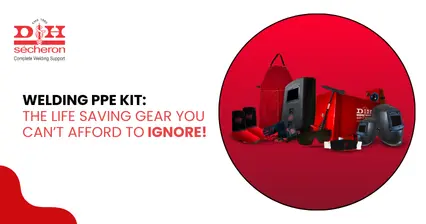
01 October 2026 | Welding
Piston Repair for Mining Industry: Reduce Downtime with LoTherme 468 Welding Electrodes.webp)
.webp)

01 October 2026 | Welding
Welding Helmets & Goggles: Essential Welding Safety Equipment for Industrial Welders.webp)
.png)

.jpg)

01 October 2026 | Welding
Top 5 Advantages of Flux Cored Arc Welding for Heavy-Duty Applications.png)
01 October 2026 | Welding
5 Reasons Why 7018 Electrode is the Gold Standard for Welding Professionals
01 October 2026 | Welding
Revitalising Power Plant Efficiency: The Role of LoTherme 470M in Drive Shaft Repairs.webp)


01 October 2026 | Welding
How to Weld Ferritic Stainless Steel: Complete Guide for SMAW & Arc Welding


